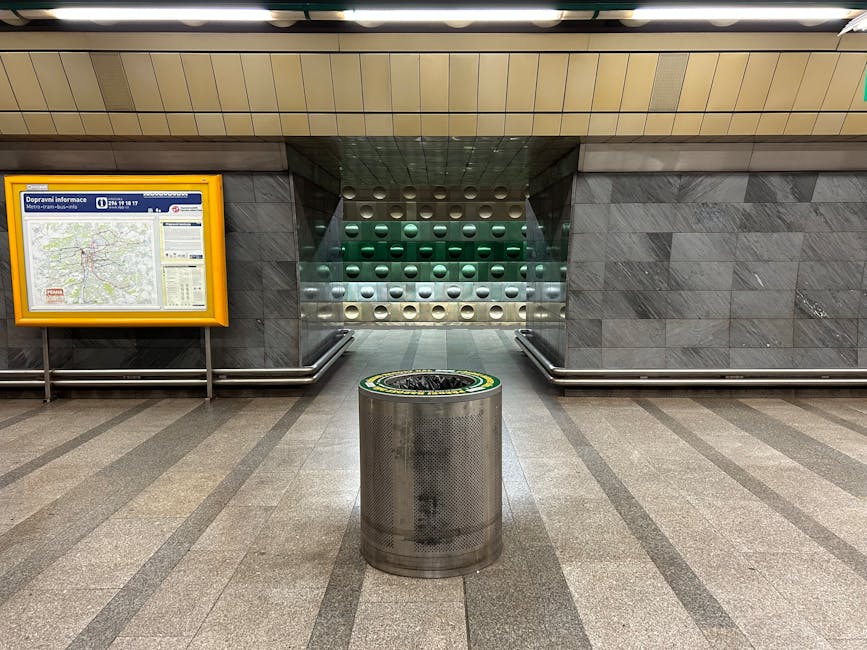
If you commute through Finchley Central, you already know the rhythm: early trains, damp coats on rainy mornings, muddy shoes after a dash across the pavement, and that awkward moment when a coffee tip lands on the carpet before you can say, "not again." This Finchley Central station carpet cleaning guide for commuters is here to help you keep your home, flat, or small office carpet looking decent without adding stress to an already busy week.
Whether you live close to the station, rent nearby, or just want a sensible way to handle everyday grime before it settles in, the aim is simple: explain what works, what doesn't, and how to make carpet cleaning fit around commuter life. You'll find practical steps, timing advice, common mistakes, and a few realism checks along the way. Nothing fancy. Just useful.
- Why it matters
- How it works
- Key benefits
- Who this is for
- Step-by-step guidance
- Expert tips
- Common mistakes
- Tools and resources
- Law, compliance and best practice
- Options and comparison
- Real-world example
- Checklist
- Conclusion
- Frequently Asked Questions
Why Finchley Central station carpet cleaning guide for commuters Matters
Commuters put carpets through a different kind of wear and tear. It's not just "traffic" in the abstract. It's actual boots with wet hems, grit from station platforms, salt in winter, and the occasional burst of life that follows a rushed morning. Around Finchley Central, that pattern is familiar because people are in and out, often with very little time to deal with mess properly.
Carpet fibres act like a sponge for fine debris. That means dirt can look superficial at first, then gradually dull the pile, make rooms feel stuffy, and hold on to smells from wet shoes, food spills, or pets. Truth be told, most carpet problems don't start with one huge disaster. They build slowly. A bit here, a bit there, and suddenly the hallway looks older than it should.
That is why a commuter-focused approach matters. You are not trying to maintain a showroom floor every day. You are trying to stay ahead of the grime in a way that is realistic for a train timetable. If you need broader help at home as well, you can also look at domestic cleaning support or a one-off cleaning visit when life gets a bit too full.
Expert summary: commuter carpets need quicker, more frequent care at the entrance points, plus periodic deeper cleaning before dirt becomes embedded. That is the whole game, really.
Table of Contents
- Why Finchley Central station carpet cleaning guide for commuters Matters
- How Finchley Central station carpet cleaning guide for commuters Works
- Key Benefits and Practical Advantages
- Who This Is For and When It Makes Sense
- Step-by-Step Guidance
- Expert Tips for Better Results
- Common Mistakes to Avoid
- Tools, Resources and Recommendations
- Law, Compliance, Standards, or Best Practice
- Options, Methods, or Comparison Table
- Case Study or Real-World Example
- Practical Checklist
- Conclusion
- Frequently Asked Questions
How Finchley Central station carpet cleaning guide for commuters Works
The basic process is straightforward, but the detail matters. A good carpet clean for commuter homes usually starts with inspection, then dry soil removal, spot treatment, agitation where needed, and a chosen cleaning method suited to the carpet fibre and level of use. After that comes drying and a careful check for any leftover staining or traffic lane marks.
In practical terms, the process often looks like this:
- Assess the carpet type and problem areas. Hallways, stairs, and living-room paths near the front door usually show the most wear.
- Remove loose grit first. This is the part people skip, and then wonder why the result feels patchy. Dry soil is abrasive, so it needs to come out before moisture is added.
- Treat marks and spills. Coffee, mud, makeup, food, and footfall marks each behave differently. There isn't one magic solution for everything.
- Choose the right clean. Depending on the carpet and urgency, that may mean hot water extraction, low-moisture cleaning, or a more targeted method.
- Manage drying properly. Good ventilation, sensible temperature, and limited foot traffic all matter here.
If you are comparing professional options, it helps to understand the difference between a standard carpet wash and a deeper restorative approach. For example, a targeted deep cleaning service may suit heavily used areas, while routine maintenance might only need lighter treatment. And if the issue is not only carpets but also fabric furnishings, upholstery cleaning can keep the whole room feeling fresher, not just the floor.
Key Benefits and Practical Advantages
A commuter-friendly carpet cleaning routine has benefits beyond appearance. Let's face it, a clean carpet just makes a room feel easier to live in. But there are some very practical gains too.
- Less visible wear in entrance zones. The places you step over every day tend to show the first signs of trouble. Regular cleaning keeps those lanes from becoming permanent tracks.
- Better indoor freshness. Wet-weather grime and street dust can create a tired smell in a room. A proper clean helps reset that.
- Longer carpet life. Grit trapped in the pile acts like sandpaper. Removing it sooner can help the carpet last longer.
- Cleaner impression for guests or tenants. If your home doubles as a rental, shared flat, or home office, appearance matters more than people sometimes admit.
- Less stress during busy weeks. When cleaning is planned around your commute rather than fought against it, the whole process is calmer.
There is also a subtle but real difference between cleaning and "covering up" dirt. Air fresheners and quick sprays may make a room smell acceptable for a moment, but they don't remove the issue. A proper carpet clean does. Small difference, big result.
Who This Is For and When It Makes Sense
This guide is for anyone whose daily travel pattern increases floor wear, especially around the front hall, stairs, or a shared living area. In practice, that includes a lot of people near Finchley Central station.
- Office commuters who track in outdoor dirt before and after work.
- Renters and shared households where the carpet needs to look decent for inspections or for the next person coming through the door.
- Families with children where muddy shoes and snacks are part of life. And yes, that is most days, not just the messy ones.
- Home workers who want a cleaner, more professional room without booking a full renovation-level service.
- Small business owners with foot traffic that is not extreme, but steady enough to dull carpets quickly.
It makes sense to act when you notice any of the following: darkening in the traffic lane, a gritty feel underfoot, a stale smell after rain, or spots that keep reappearing even after you vacuum. If that sounds familiar, you are not alone. Most people just live with it too long.
If your property needs a broader reset, it may be worth pairing carpet care with house cleaning or, for workplace environments, office cleaning. Those services can help keep the surrounding surfaces from undoing your carpet work.
Step-by-Step Guidance
Here is a practical, commuter-friendly way to handle carpet cleaning without turning your week upside down.
- Start with a proper vacuum. Go slowly, especially in the hallway, at the front door, and on stairs. Two passes are often better than one rushed sweep.
- Lift loose grit before anything wet. You want to remove dry soil first so it does not turn muddy during treatment.
- Identify stains early. Mud, tea, coffee, wine, grease, and pet accidents need different treatment. Dab, don't scrub like you are trying to sand the carpet down. That usually makes things worse.
- Use a suitable pre-treatment. A careful pre-spray or spot treatment can help loosen embedded dirt. Test it discreetly first if you are unsure about the carpet fibre.
- Clean from the least dirty area to the most dirty. That reduces the chance of spreading grime across the room.
- Control moisture. Over-wetting is one of the easiest mistakes to make. It can slow drying, leave residues, and in some cases create odours.
- Ventilate well. Open windows when possible, use airflow, and avoid putting heavy furniture back too early.
- Check the result in daylight. Evening light can hide dull patches. Morning light by the station-side window tends to tell the truth.
If you are using a professional, ask how they handle drying times and fibre protection. A good operator should explain the method in plain English and not hide behind technical fluff. Also, if a job involves more than carpet fibres, it can be helpful to combine it with sofa cleaning or even rug cleaning so the room feels consistently refreshed.
Expert Tips for Better Results
Here are the small things that tend to make a noticeable difference.
- Vacuum more often than you think you need to. In commuter homes, three short sessions can beat one heroic weekend clean.
- Use entry mats properly. A mat only works if it gets dirt off shoes before people step on the carpet. Otherwise it becomes decorative, which is a shame.
- Act on fresh spills quickly. The first ten minutes matter a lot more than the next ten hours.
- Move furniture carefully. Chair legs and table feet can leave marks or compress the pile. Protective pads help.
- Rotate use where possible. If one route into the room gets hammered daily, see whether furniture placement can ease the path a little.
- Keep a small spot-clean kit at home. A microfiber cloth, a neutral cleaner, and a little patience go further than panic.
One small but useful point: if you travel with work shoes, keep them off soft flooring where you can. It sounds obvious, I know, but people forget on a rushed Monday morning. By Friday, the carpet has reminded them.
For homes where foot traffic spreads beyond carpets, hard floor cleaning can stop grit from being carried back onto the pile, and window cleaning can brighten the room so the carpet does not feel so visually heavy. Small details, but they add up.
Common Mistakes to Avoid
Most carpet cleaning mistakes come from rushing. Commuters understand rushing. It is almost a lifestyle. The trick is not to bring that habit into the cleaning process.
- Using too much water. More is not better. It often means longer drying and a greater chance of residue.
- Scrubbing stains aggressively. That can spread the stain and damage the pile.
- Skipping vacuuming before wet cleaning. Dry grit left behind interferes with the clean and can scratch fibres.
- Ignoring the room's airflow. Poor ventilation makes drying slower and the results less satisfying.
- Putting furniture back too early. This can leave marks or trap moisture.
- Choosing a method without checking the carpet type. Wool, synthetic, blend, and loop pile surfaces all need different handling.
Another one: assuming every stain is permanent after one failed attempt. Not always. Sometimes it just needs the right technique, the right dwell time, and a bit of restraint. No drama. Just patience.
Tools, Resources and Recommendations
You do not need a huge toolkit to keep commuter carpets in decent shape, but a few basics make the job much easier.
- Vacuum cleaner with decent suction and a hose attachment for edges and stairs.
- Microfiber cloths for blotting spills without pushing them deeper.
- Soft brush or carpet rake to lift fibres after cleaning.
- Entry mats for the front door and, if possible, the back door too.
- Neutral spot cleaner that is suitable for your carpet type.
- Fans or good natural airflow to help drying.
If you prefer to outsource the work, it helps to choose a provider that is transparent about its service process, payment handling, and safety measures. Pages like pricing and quotes, payment and security, and insurance and safety are worth checking when you want to understand what is covered and how the job is handled. You can also review the company's about us information if you want a better feel for who is actually doing the work.
For broader whole-property support, services such as cleaning company support or cleaners for regular maintenance can be useful, especially when your week is already packed.
Law, Compliance, Standards, or Best Practice
For most commuters, carpet cleaning is a practical household matter rather than a legal one. Still, there are sensible best-practice expectations worth following, especially if you live in a rented property, manage an office, or book a professional service.
First, any cleaning work should be carried out safely, with appropriate attention to slip hazards, electrical equipment, and chemical handling. That sounds basic, but it matters. Wet carpets, trailing cables, and hurried foot traffic do not mix well.
Second, if you are a tenant or landlord, check your tenancy agreement before assuming what is included in end-of-tenancy expectations. Some properties are strict about carpet condition, while others are more flexible. It is always better to be clear early than to argue later over a tired hallway.
Third, best practice in carpet care usually means matching the cleaning method to the carpet fibre and condition, using products responsibly, and allowing proper drying time. For workplaces, a sensible cleaning plan should also fit with building safety and staff access, which is one reason many businesses prefer a structured office cleaning arrangement rather than ad hoc fixes.
If you are considering a more intensive tidy-up after building work or a renovation, a specialist approach such as after builders cleaning may be more appropriate than a standard carpet-only clean. Dust from works can settle far beyond the obvious areas.
Options, Methods, or Comparison Table
Not every carpet needs the same treatment. This comparison should help you decide what makes the most sense for a commuter household.
| Method | Best for | Typical advantage | Possible downside |
|---|---|---|---|
| Regular vacuuming | Daily or weekly maintenance | Removes loose grit and slows wear | Won't shift embedded stains |
| Spot cleaning | Fresh spills and small marks | Fast, targeted, low disruption | Can spread stains if done badly |
| Low-moisture clean | Busy homes needing quicker drying | Shorter downtime | May not suit very heavy soiling |
| Hot water extraction | Deeper soiling and traffic lanes | Strong overall refresh | Needs careful drying management |
| Professional deep clean | Heavily used rooms or neglected carpets | More thorough, more consistent | Usually needs planning around access and drying |
If you mainly need a fast reset before the week gets away from you, low-moisture or routine maintenance may be enough. If the hallway has turned grey-ish and the pile is flattened, deeper treatment is more honest. There is no prize for choosing the lightest option when the carpet clearly wants more.
Case Study or Real-World Example
Picture a two-bedroom flat near Finchley Central with a shared hallway, one runner carpet, and a couple of people leaving early every morning. The carpet doesn't look awful at first. That is the trap. It just looks a bit tired by the front door and a little darker on the main path to the kitchen.
In the mornings, shoes pick up damp dust from the street. On wet days, a few drops of rain land in the hallway. Someone spills tea once. Then there is a takeaway night, then a visitor with muddy soles, and suddenly the once-neutral carpet has a track running through the room. Nothing dramatic, just cumulative.
The practical fix in that kind of home is not a giant overhaul. It is a sequence: vacuum properly, treat the worst marks, clean the traffic lanes more thoroughly, and give the carpet time to dry before everyone barrels through again. Pair that with a better mat at the front door and a quick weekly refresh, and the whole space feels calmer. Not perfect. Better. Much better.
That is usually the point for commuters: not perfection, just a home that keeps up with your life rather than competing with it.
Practical Checklist
Use this quick checklist before and after cleaning.
- Vacuum all high-traffic areas slowly and thoroughly.
- Check the carpet type before using any cleaner.
- Blot spills instead of scrubbing them.
- Keep cleaning products light and appropriate for the fibre.
- Open windows or create airflow for drying.
- Protect furniture legs and avoid immediate heavy traffic.
- Inspect traffic lanes, doorways, and stairs in daylight.
- Consider combining carpet care with nearby fabric or room cleaning if needed.
- Save the most stubborn stains for a more detailed treatment rather than guessing.
- Book regular maintenance before the carpet looks obviously worn.
If you are looking at longer-term maintenance, it can be sensible to schedule carpet work alongside home cleaners or specific spot services such as carpet cleaning when the home is due a full refresh. For a more tailored service, a dedicated carpet cleaner is often the most straightforward starting point.
Get a free quote today and see how much you can save.
Conclusion
Commuter life near Finchley Central has a way of bringing the outside world into the home, one shoeprint at a time. The good news is that carpet care does not have to be complicated to work well. Keep grit out early, treat spills quickly, choose the right cleaning method, and give the carpet enough time to dry properly. That simple approach handles more than people expect.
If you treat carpet care as part of the weekly rhythm rather than a last-minute rescue mission, your rooms will stay fresher, your floors will wear more evenly, and the whole place will feel easier to live in. Which, after a long commute, is no small thing.
A tidy carpet won't solve the morning train, but it can make coming home feel a lot more like arriving.
Frequently Asked Questions
How often should commuters clean carpets near Finchley Central?
For busy homes, light vacuuming should happen weekly at minimum, with high-traffic zones often needing more frequent attention. A deeper clean is usually sensible when the hallway starts looking dull, feeling gritty, or holding smells after wet weather.
What is the best carpet cleaning method for a commuter household?
There is no single winner for every carpet. Hot water extraction works well for deeper soil, while low-moisture methods can be better when you need quicker drying. The right choice depends on fibre type, level of wear, and how much downtime you can tolerate.
Can I clean a carpet myself, or should I hire a professional?
You can absolutely handle routine vacuuming and small spills yourself. A professional makes more sense when stains are stubborn, traffic lanes are heavily worn, the carpet is delicate, or you simply want a more thorough result without spending your weekend crouched on the floor.
How do I stop street dirt from building up so fast?
Use a decent entry mat, vacuum regularly, and avoid tracking wet grit further into the home. It sounds simple because it is. The trick is consistency, not a grand one-off effort.
Is carpet cleaning safe for wool carpets?
Wool needs extra care. It can be cleaned safely, but the method and products should be chosen carefully to avoid shrinkage, colour issues, or over-wetting. Always check that the approach suits the fibre rather than assuming all carpets are the same.
How long does a carpet take to dry after cleaning?
Drying time varies depending on the method used, room ventilation, carpet thickness, and weather. In a well-ventilated space, it may dry fairly quickly; in a cooler flat with limited airflow, it can take longer. Good drying habits matter as much as the clean itself.
What should I do if a spill happens during the morning rush?
Blot it immediately with a clean cloth. Do not rub hard. If possible, use a small amount of suitable cleaner after blotting, then keep the area dry and ventilated. The key is to stop the spill spreading before it settles into the fibres.
Does carpet cleaning help with smells from wet shoes and pets?
Yes, if the source of the smell is in the carpet or underlay rather than elsewhere in the room. Regular cleaning removes dirt and residues that hold odours, though strong or repeated smells may need deeper treatment and better drying.
Are there signs that the carpet needs more than a basic clean?
Yes. Flattened pile, repeated traffic lane darkening, lingering smells, or marks that return after cleaning are all signs that the carpet may need a deeper approach. If it feels rough underfoot, that is usually another clue.
Can carpet cleaning be combined with other household services?
Definitely. Many people pair it with services like sofa cleaning, upholstery cleaning, house cleaning, or window cleaning so the whole room or home feels refreshed at the same time. That can be more efficient than tackling each job separately.
Is professional carpet cleaning worth it for a rented flat?
Often yes, especially if you want to protect the deposit, improve the appearance of the property, or simply avoid leaving the carpet looking tired for the next occupant. Just make sure you understand what your tenancy agreement expects before you book anything.
What should I ask before booking a carpet cleaner?
Ask what method they use, how they handle drying, whether the process is suitable for your carpet type, and how pricing is structured. It is also sensible to check practical pages such as pricing and quotes, insurance and safety, and payment and security so you know what to expect.