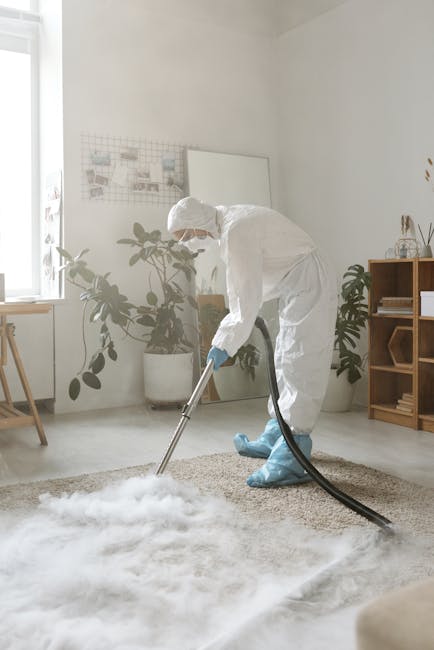
Guide to steam cleaning rugs on North Finchley High Road
If you are weighing up steam cleaning rugs on North Finchley High Road, you probably want two things at once: a rug that looks properly refreshed, and a process that does not damage fibres, backing, or colour. Fair enough. Rugs can hold onto dust, pet smells, drink marks, and everyday grime for far longer than people realise, especially in busy homes, flats, and small businesses along a road that sees plenty of footfall.
This guide walks you through what steam cleaning really means for rugs, when it is worth doing, how the process works, and what to avoid if you want the rug to last. You will also find practical tips, a comparison table, a checklist, and a few local considerations that matter when you are making the decision in North Finchley. Let's keep it simple, useful, and honest.
Why Guide to steam cleaning rugs on North Finchley High Road Matters
Rugs do a lot more than sit there looking nice. They trap dust, soften noise, warm a room, and quietly take the punishment of shoes, pets, spilled tea, and whatever gets carried in from the street. On a busy stretch like North Finchley High Road, that matters even more. There is a steady mix of homes, shared entrances, shops, and rental properties where rugs can pick up grit faster than you think.
Steam cleaning matters because it reaches deeper than routine vacuuming. A vacuum lifts loose dirt, sure, but it does not always touch the sticky residue, body oils, or fine particles embedded in the pile. A proper hot water extraction or steam-based clean can refresh the fibres in a way that feels obvious underfoot. The rug looks brighter. It smells cleaner. The room just feels calmer. Simple as that.
There is another reason this topic matters: rugs can be expensive, sentimental, or both. A family rug from a previous home. A wool piece bought after months of searching. A hallway runner that has survived one too many muddy weekends. If you clean it carelessly, you can cause colour bleed, shrinkage, or backing damage. So the goal is not just "clean it". The goal is clean it properly.
For readers comparing rug care with broader home maintenance, it is often helpful to think of it alongside services like rug cleaning and steam carpet cleaning, because the methods overlap, but the handling is not always the same. Rugs are more delicate than carpets in many cases. That little difference changes a lot.
Key takeaway: steam cleaning is useful when you want a deeper refresh, but the rug type, fibre, dye stability, and drying conditions all decide whether it is the right choice.
How Guide to steam cleaning rugs on North Finchley High Road Works
Despite the name, steam cleaning is usually not pure steam blasting into a rug like something out of a factory scene. In most domestic and professional settings, it means using heated water, cleaning solution if appropriate, and powerful extraction to loosen and remove soil. The method is often called hot water extraction. People still say steam cleaning because, to be fair, that is the phrase most people understand.
Here is the basic idea. The rug is first inspected to identify fibre type, staining, dye sensitivity, and any weak spots. Then loose debris is removed. A suitable pre-treatment may be applied to break down grime or specific stains. Next, hot water and suction are used to lift soil from the pile. Finally, drying is managed carefully so the rug does not stay damp too long.
The success of the process depends on a few things:
- Fibre type: wool, wool blends, cotton, silk, jute, and synthetics all behave differently.
- Dye stability: some colours are more likely to bleed when moisture is introduced.
- Backing and construction: handmade, tufted, woven, and glued-back rugs respond differently.
- Soiling level: light dust is one thing; pet urine or old food stains are another.
- Drying conditions: a rug that sits damp for too long can develop odour or distortion.
If you are cleaning at home, the process can seem straightforward. But a rug is not just a flat object with dirt on it. It is layered, and that layering is what makes the difference between a successful clean and an expensive mistake. Ever cleaned something and thought, "That looked easier on the label"? Rugs have a habit of doing that.
In commercial or multi-occupancy settings, steam cleaning is often paired with broader upkeep such as house cleaning, deep cleaning, or even end of tenancy cleaning when a property needs a fuller reset. That broader context matters because one clean rug in a messy room will not stay fresh for long. Obvious, but worth saying.
Key Benefits and Practical Advantages
Steam cleaning is popular for a reason. When done correctly, it offers a mix of visual improvement, hygiene benefits, and long-term care that basic vacuuming cannot match.
- Deeper dirt removal: lifts grime embedded below the surface, not just what you can see.
- Odour reduction: helps remove stale smells from pets, spills, and everyday use.
- Better appearance: colours often look clearer and the pile can stand up more evenly.
- Allergen control: dust and fine particles are reduced, which many households appreciate.
- Fabric care when done right: careful cleaning can extend the life of a rug.
- Convenience: a properly planned clean can be less disruptive than replacing or over-washing a rug.
There is also a practical benefit people do not always talk about: steam cleaning can reveal hidden issues. A rug that looks dull might simply be dirty, but it might also have a worn patch, a loose fringe, or a stubborn stain that needs targeted treatment. Better to know than guess.
For homes with pets, steam cleaning can make a real difference when paired with targeted deodorising and stain treatment. A rug near the sofa or under a dining table can start carrying the whole room's smells if it is ignored for months. That is just life, frankly. For households that also need help with pet stain and odour removal, a rug clean is often part of a more sensible reset rather than a one-off tidy-up.
Who This Is For and When It Makes Sense
Not every rug needs steam cleaning every time it looks a bit flat. Sometimes a careful vacuum, spot treatment, and rotation are enough. But there are clear situations where steam cleaning on North Finchley High Road makes good sense.
- Busy family homes: if children, pets, and general daily traffic keep the rug under constant pressure.
- Rental properties: especially before a move-out inspection or after tenants leave.
- Older rugs: when fibres are matted and surface cleaning no longer gives a fresh result.
- Pet households: for smells, accident spots, and hair embedded in the pile.
- Homes near main roads: dust and airborne debris can build up faster than you think.
- Small businesses: reception spaces, waiting rooms, and studios with decorative rugs.
It is also sensible when you are preparing for guests, selling a property, or trying to revive a room without replacing the rug altogether. One good clean can genuinely shift the feel of a room, especially where natural light hits the fibres in the morning and suddenly every mark becomes visible. You know the moment.
On the other hand, steam cleaning may not be the best first step for very delicate antique rugs, natural-fibre pieces like jute, or anything with unstable dyes. In those cases, a different method or specialist assessment is often safer. No drama. Just caution.
Step-by-Step Guidance
If you want the rug cleaned properly, the process should be thoughtful from start to finish. Here is the practical version.
- Identify the rug type. Check the label if there is one, but do not rely on it blindly. Wool, synthetic, cotton, silk, and blended rugs all behave differently.
- Test for colour stability. Dab a hidden corner with a damp white cloth. If dye transfers, stop and rethink the method.
- Vacuum thoroughly. Get rid of loose dust, crumbs, grit, and pet hair before any wet cleaning begins.
- Pre-treat stains carefully. Use a suitable product for the stain type, and avoid saturating the fibres.
- Prepare the cleaning machine. Use the right temperature and cleaning solution for the rug material.
- Clean in controlled passes. Do not flood the rug. Work methodically so the extraction removes moisture and soil efficiently.
- Inspect as you go. Look for streaks, remaining spots, and signs of colour movement.
- Dry properly. Air movement matters. Open windows if safe, use fans if available, and keep the rug flat where possible.
- Brush or groom the pile. Once damp, the fibres may need a gentle reset to dry evenly.
- Recheck after drying. Some marks only show once the rug is fully dry. Annoying, yes, but normal.
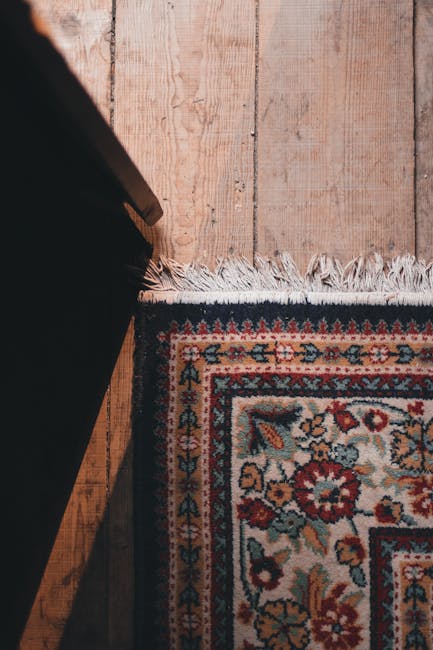
A small but important point: if the rug has a fringe, treat it carefully. Fringes tangle, discolour, and wear faster than the main body of the rug. A bit of extra patience there saves a lot of regret later.
If you are booking professional help, ask how they assess fibre type and drying time. Those two questions tell you a lot about whether they are thinking properly or just treating every rug the same. They should not be. That would be, well, a bit lazy.
Expert Tips for Better Results
Good rug care is often about judgement, not just equipment. A few practical habits can make a big difference.
- Always test a hidden area first. It is the boring step that prevents the expensive mistake.
- Use less moisture than you think. Over-wetting is one of the most common causes of trouble.
- Work from the outside of a stain inward. That helps stop the stain from spreading.
- Blot, don't scrub. Scrubbing can rough up fibres and distort the pile.
- Dry quickly and evenly. Damp corners and folded edges are trouble spots.
- Rotate rugs regularly. Sunlight and foot traffic wear one side faster than the other.
- Choose the right timing. A dry, mild day makes life much easier than a cold, humid evening.
One of the simplest expert habits is also one of the least glamorous: keep the area tidy before the cleaning starts. Move small furniture, vacuum properly, and clear nearby clutter. It sounds obvious. Yet every cleaner has turned up to a room where a rug is half-covered by a basket, a toy, a lamp, and something that might once have been a charger. Happens all the time.
For homes that need a broader fabric refresh, it can help to think about the whole room rather than the rug alone. A clean rug next to dusty upholstery will not feel fully refreshed for long, which is why services like upholstery cleaning or sofa cleaning often pair well with rug care.
Common Mistakes to Avoid
Most rug damage does not happen because people mean to damage it. It happens because they rush, use the wrong product, or assume all textiles behave the same. They do not. Not even close.
- Using too much water: this can lead to long drying times, odour, or backing damage.
- Skipping the test patch: risky with dyed or delicate rugs.
- Scrubbing stains aggressively: this often pushes the stain deeper and roughens the fibres.
- Using a one-size-fits-all cleaner: different fibres need different care.
- Leaving the rug damp on the floor: that is how musty smells sneak in.
- Ignoring fringes and edges: these parts show damage quickly.
- Cleaning old glue-backed or fragile rugs with confidence you have not earned: a little humility saves money.
Another common mistake is assuming that if a rug looks dry on top, it is safe to put furniture back immediately. Sometimes the surface feels fine while the underlayer is still damp. That hidden moisture can compress the pile or leave a faint smell that appears the next day. Bit annoying, but preventable.
If you are unsure, pause. Let it dry a bit longer. The rug will not mind.
Tools, Resources and Recommendations
You do not need a warehouse of equipment to get a decent result, but the right tools matter. Good preparation usually makes the biggest difference.
| Tool or item | Why it helps | Good for |
|---|---|---|
| Vacuum with adjustable settings | Removes dry soil without damaging the pile | Routine prep before steam cleaning |
| White microfibre cloths | Useful for blotting stains and test patches | Spot treatment and dye checks |
| Rug-safe cleaning solution | Helps lift dirt without harsh residue | General cleaning and pre-treatment |
| Air movers or fans | Speed up drying and reduce lingering dampness | Post-clean drying support |
| Soft brush | Gently resets the pile after cleaning | Finishing touches |
| Protective gloves | Keeps hands clean when handling stain products | Any wet-cleaning job |
If you are considering professional support, look for a service that is transparent about fibre checks, drying expectations, and treatment limitations. That transparency is often more valuable than a flashy promise. You can also review service pages such as carpet cleaning, commercial carpet cleaning, and one-off cleaning to understand how rug care might fit within a wider cleaning plan.
For budgeting, it is sensible to ask for a clear quote structure and what is included, rather than guessing. That is often where people avoid disappointment later. If you want to read more about how pricing conversations are framed, the page on pricing and quotes is a useful place to start.
Law, Compliance, Standards, or Best Practice
Rug cleaning is not heavily regulated in the way some specialist trades are, but there are still important best-practice expectations around safety, handling, and honesty. In the UK, a reputable cleaner should work in a way that protects the property, the occupant, and the fabric being cleaned. That sounds obvious, but it is worth stating plainly.
From a practical standpoint, best practice usually includes the following:
- Using suitable products: cleaners should match the method to the rug material.
- Managing water safely: avoiding slip risks, excess soaking, and electrical hazards.
- Following product instructions: especially for stain removers and detergents.
- Protecting occupants and pets: keeping the area safe while cleaning and drying.
- Being honest about limitations: some stains, dyes, or fibres cannot be fully restored.
If a property is shared, rented, or used for business, it is also sensible to think about access, safeguarding, and insurance. A cleaner carrying equipment into a hallway or communal space should have sensible procedures in place. If you want to understand the sort of policy details a responsible company should publish, pages such as health and safety policy and insurance and safety are worth a look.
And if sustainability matters to you, ask how wastewater, packaging, and cleaning products are handled. Not every job creates a large environmental footprint, but the small choices add up. There is a sensible balance between effectiveness and waste reduction, and a good provider should be able to explain their approach without fuss. That usually says a lot.
Options, Methods, or Comparison Table
Not every rug needs the same method. The best option depends on material, construction, stains, and how much risk you are willing to take. Here is a simple comparison to make the choice easier.
| Method | Best for | Pros | Watch-outs |
|---|---|---|---|
| Vacuuming only | Regular maintenance | Fast, safe, no drying time | Won't remove embedded grime or stains |
| Spot cleaning | Small fresh spills | Targeted and low moisture | Can leave tide marks if overdone |
| Steam cleaning / hot water extraction | General deep refresh for suitable rugs | Deep soil removal, odour reduction | Risky for delicate fibres or unstable dyes |
| Dry cleaning style treatment | Delicate or moisture-sensitive rugs | Less water exposure | May be less effective on heavy soil |
| Professional specialist cleaning | Antique, handmade, or high-value pieces | Tailored handling and lower risk | Usually costs more and takes longer |
For many households, the decision is less about "Which method is best in theory?" and more about "Which method is safest for this particular rug?" That is the better question, honestly.
Case Study or Real-World Example
Here is a typical local scenario. A family living near North Finchley High Road has a medium-sized rug in the sitting room. It sits under a coffee table, gets daily foot traffic, and has picked up a faint stale smell from winter months when the windows stayed shut for too long. There are also a couple of old drink marks and a muddy patch from shoes after a rainy school run. Very normal, very London.
They first vacuum thoroughly and lift loose debris. A hidden corner test shows the dye is stable, so a careful steam clean is possible. The cleaner uses a controlled pre-treatment on the marks, then hot water extraction in measured passes. Rather than soaking the rug, they work gradually, checking the pile after each section. A fan helps with drying, and the rug is left flat until fully dry.
The result is not magic. It is better than magic, actually, because it is realistic. The rug looks brighter, the smell is gone, and the fibres feel softer underfoot. The family does notice one thing, though: a faint outline from an old spill appears more clearly after drying. That is common. Cleaning can reveal what dirt was hiding. It is mildly annoying, but it is useful information.
They follow up later with a light stain treatment rather than a second heavy wet clean, which is the sensible move. If the rug had been silk, antique, or visibly fragile, they would have needed a much more cautious route. Same room, same road, different rug, different decision.
Practical Checklist
Use this before you steam clean a rug at home or book someone to do it for you.
- Confirm the rug type and fibre content if you can.
- Check for a care label, maker note, or previous cleaning history.
- Test a hidden area for colour transfer.
- Vacuum both sides if the rug construction allows it.
- Identify stains before starting so you do not over-treat everything.
- Protect the floor underneath if needed.
- Make sure the room has decent ventilation.
- Keep pets and children away during cleaning and drying.
- Allow enough drying time before replacing furniture.
- Inspect again once fully dry.
Quick sanity check: if the rug is very old, handmade, silk, heavily faded, or already damaged, stop and consider a specialist approach instead. Better safe than sorry.
Get a free quote today and see how much you can save.
Conclusion
Steam cleaning rugs on North Finchley High Road can be a smart, practical way to refresh a room, deal with everyday grime, and extend the life of a rug you care about. But the real value comes from doing it with judgement. Know the material. Test first. Use the right amount of moisture. Dry it properly. That is what separates a proper clean from a costly headache.
If you are dealing with a simple synthetic rug, the process can be straightforward. If the rug is wool, handmade, antique, or sentimental, a slower and more cautious approach is often the better call. Either way, a thoughtful clean can make a room feel lighter, fresher, and a bit more lived-in in the best possible way.
And honestly, that feeling when a rug comes up clean after looking tired for months? Very satisfying. A small win, but still a win.
Frequently Asked Questions
Is steam cleaning safe for all rugs?
No, not for all rugs. Steam cleaning works well on many synthetic and some wool rugs, but delicate fibres, unstable dyes, silk, jute, and older handmade rugs may need a different method. A test patch is always wise.
How often should I steam clean a rug?
That depends on foot traffic, pets, and where the rug sits. A busy household may need a deeper clean more often than a low-traffic room. For many homes, it is better to judge by appearance, odour, and build-up rather than a fixed rule.
Will steam cleaning remove pet smells?
It can help a great deal, especially when paired with proper pre-treatment and thorough drying. If the odour has soaked into the backing or underlay, though, a deeper treatment may be needed.
Can I steam clean a rug myself at home?
Yes, if the rug is suitable and you can control moisture carefully. The biggest risks are over-wetting, colour bleed, and slow drying. If the rug is valuable or fragile, professional help is usually safer.
How long does a rug take to dry after steam cleaning?
Drying time varies with fibre type, room ventilation, humidity, and how much water was used. A rug should feel fully dry before furniture goes back on it. If the underlayer still feels cool or damp, wait longer.
What is the difference between steam cleaning and hot water extraction?
In everyday use, people often use the terms interchangeably. Technically, many rug cleans use hot water extraction rather than pure steam. The key idea is heated water combined with suction to lift dirt out of the fibres.
Will steam cleaning shrink my rug?
It can, if the rug is moisture-sensitive or cleaned too aggressively. That is why fibre checks, careful moisture control, and proper drying matter so much. Some rugs are simply not suited to this method.
Can steam cleaning fix old stains?
Sometimes, but not always. Old stains may lighten, fade, or remain visible depending on what caused them and how long they have been set in. Truth be told, some marks become permanent once they have settled deeply into the fibres.
Do I need to move furniture before cleaning a rug?
Ideally, yes. Even moving smaller items makes the clean easier and more even. If a heavy sofa cannot be moved safely, the cleaner can often work around it, but the covered area may need separate attention later.
Is professional rug steam cleaning worth it?
For many rugs, yes. Professional cleaning is especially worthwhile for valuable, delicate, or heavily soiled pieces. You are paying for judgement as much as equipment, and that is usually the part that saves mistakes.
What should I ask before booking a rug cleaning service?
Ask how they check fibre type, how they handle delicate rugs, what drying time to expect, and whether they explain stains that may not fully come out. Clear answers are a good sign.
Does steam cleaning work for hall runners and entry rugs near the High Road?
Yes, often very well. These rugs collect grit quickly, especially in areas with regular foot traffic. A good clean can make a visible difference, though they may need more frequent maintenance than a decorative rug in a quieter room.